
Winter in northern New Jersey is a completely different experience than in most parts of the country. Here, a single overnight freeze can turn Route 4 into a sheet of black ice, snow squalls can blind drivers entering the George Washington Bridge, and slush-filled gutters in Hackensack or Teaneck can send pedestrians sliding into traffic. Each year, thousands of commuters, warehouse workers, delivery drivers, and transit riders face dangerous conditions as storms move quickly through Bergen and Hudson Counties. And when snow piles up along the tight, busy roads of Englewood Cliffs, Paramus, Fort Lee, or Ridgefield, even routine errands become risky.
For many people, these winter hazards lead to serious injuries — from car crashes on icy highways to slip-and-falls outside residential or commercial properties. And because winter storms hit fast and disrupt everything from visibility to braking distance, victims often struggle to understand who is responsible or how to navigate insurance delays.
If winter conditions have already caused an injury for you or someone you care about, you're not alone — and you don't have to figure out the next steps by yourself. Our team is here to guide you. You can always call (201) 944-9200 or send an Online form to speak with us. Hablamos español.
How Winter Weather Creates Dangerous Conditions in North Jersey
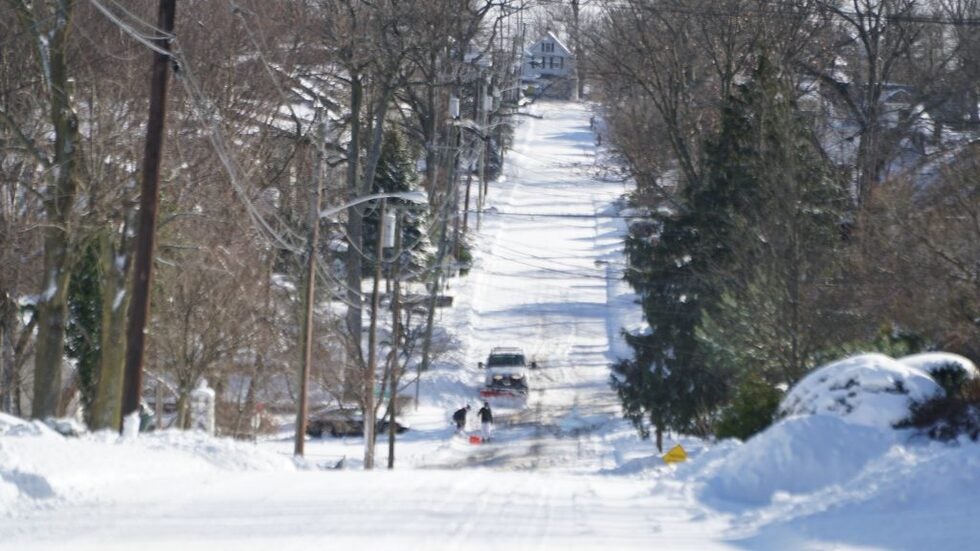
The dense highways, overpasses, retail corridors, and industrial zones of northern New Jersey become especially hazardous once snow, sleet, or freezing rain arrives. As NJ.com’s Weather Desk often reports, winter storms dramatically increase accident risk for drivers, pedestrians, and transit riders.
Black Ice on Major Commuter Routes
Black ice forms quickly on:
-
Route 4
-
The Palisades Interstate Parkway
-
I-95 and the GWB approach
-
Route 17 near Paramus
Drivers frequently lose control even at slow speeds. Crashes caused by these conditions often involve rear-end impacts, spinouts, and multi-car collisions. Victims frequently reach out to a New Jersey car accident lawyer after suffering whiplash, herniated discs, or knee and shoulder tears.
To understand how these injuries are evaluated, our Types of Personal Injury guide provides additional detail about common winter crash trauma.
Snowbanks Reduce Visibility for Drivers & Pedestrians
Snow piled along intersections throughoutFort Lee, Garfield, Teaneck, and Lyndhurst blocks visibility for both motorists and pedestrians. People walking to bus stops or train stations often face icy sidewalks and poorly lit areas, which can lead to falls and street-crossing hazards.
Industrial & Trucking Zones Face Even Higher Accident Risks
Northern New Jersey's industrial centers —Carlstadt, Secaucus, Ridgefield, Elizabeth, Kearny — experience heavy commercial traffic throughout winter storms. Snow and ice reduce braking ability for tractor-trailers, box trucks, and delivery vehicles.
When these collisions occur, victims often seek help from a New Jersey car accident attorney or truck accident lawyer who understands the unique liability issues related to commercial vehicles. More information is available on our Truck Accidents resource page.
Transit Injuries Rise During Snow and Ice Events
NJ Transit buses and shuttles require longer stopping distances, and riders frequently slip while boarding when platforms or sidewalks aren't salted. You can monitor ongoing storm advisories through theNew Jersey Transit Winter Weather Advisory announcements.
Slip-and-Fall Incidents on Sidewalks & Parking Lots
Commercial complexes, apartment buildings, and offices throughout Englewood Cliffs, Hackensack, Paramus, and Edgewater often see a spike in slip-and-fall cases when property owners fail to treat icy surfaces. These incidents often lead victims to consult a New Jersey personal injury attorney about their legal options.
Our Personal Injury Claims Process page explains how liability is established in winter-related cases.
Common Injuries Seen in Winter Weather Accidents
Winter crashes and falls often result in:
-
Spinal injuries and herniated discs
-
Shoulder and knee ligament tears
-
Wrist fractures
-
Concussions and traumatic brain injuries
-
Chronic neck and lower-back pain
Victims can explore what financial recovery may be available by reviewing our Types of Compensation guide.
🚨 What Causes Most Winter Crashes?
-
Snow, slush, and black ice
-
Drivers speeding for conditions
-
Following too closely
-
Unsafe lane changes on frozen highways
-
Poor visibility during storms
-
Failure to remove or treat ice
-
Commercial vehicle maintenance failures
These factors play a major role when evaluating negligence — something your New Jersey car accident lawyer will analyze if you choose to pursue a claim.
What to Do After a Winter Weather Accident
If you're injured during a storm or winter event, take these steps as soon as possible:
-
Call 911 to generate official documentation
-
Get medical evaluation (even if pain is delayed)
-
Photograph the ice, snowbanks, lighting, and road conditions
-
Gather witness information
-
Request the police report through NJDOT's crash portal
-
Contact a New Jersey personal injury lawyer before dealing with insurance companies
For additional nearby guidance, our Englewood Cliffs Auto Accident Attorney page includes details specific to the local area.
Why North Jersey Residents Choose Khorozian Law Group
People throughout Bergen and Hudson Counties trust our firm because:
-
We understand how winter storms affect highways, neighborhoods, and industrial corridors
-
We have experience handling car accidents, trucking collisions, pedestrian impacts, bus injuries, and slip-and-fall cases
-
We know how to coordinate medical care and protect injury claims
-
Our team provides responsive, human communication — in English and Spanish
-
We understand the local roads, the winter risks, and the insurance issues involved
Our approach is personalized, compassionate, and focused on helping victims move forward.
Frequently Asked Questions
What should I do if I'm hit by a driver who loses control on ice?
Document the roadway, lighting, and weather conditions, and take photos. Even though storms create hazards, drivers must still adjust their speed and maintain control. A New Jersey car accident attorney can help determine liability.
Who is responsible for a slip-and-fall on snow or ice?
Property owners, management companies, or businesses are often responsible for clearing ice within a reasonable time after a storm, depending on the town and the property type.
Are winter accident cases harder to prove?
Not necessarily. Cases often remain strong when negligence — speeding, poor maintenance, failure to salt, or unsafe truck operation — contributed to the incident.
If you need help after a winter weather accident
Winter accidents are overwhelming, especially when injuries disrupt your work, mobility, and daily life. If you or someone close to you was hurt during winter conditions, feel free to reach out. Our team is here to answer questions, explain your options, and guide you step by step. You can call (201) 944-9200 or submit an Online form at your convenience.
Comments
There are no comments for this post. Be the first and Add your Comment below.
Leave a Comment